
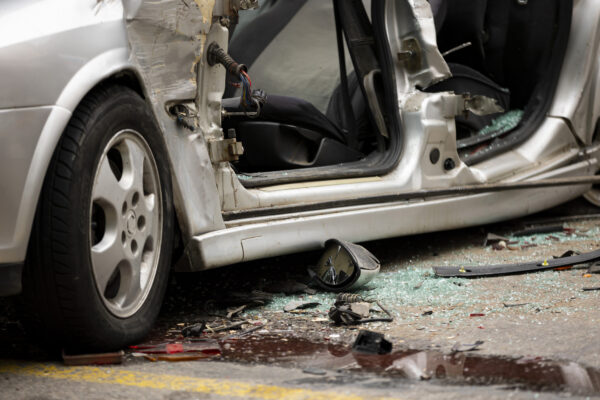
 The right steps to take after a car crash in the Inland Empire start at the accident scene. Get medical attention when necessary, document the collision, exchange information, report the accident, and be careful about what you tell insurance companies. If you were injured, speaking with an attorney before accepting a settlement or giving a detailed statement may help you understand your options.
A car accident in the Inland Empire can leave you dealing with injuries, vehicle damage, insurance calls, and questions about what to do next. Whether a crash happens in Rancho Cucamonga, Riverside, San Bernardino, Upland, Ontario, or Fontana, the first steps you take can affect your ability to document what happened and pursue compensation. Our Rancho Cucamonga car accident lawyers can guide you through this process.
Let’s review what to do and what not to do after a car accident. If you need to discuss your collision with a lawyer, contact the Law Offices of Fernando D. Vargas today.
Key Takeaways
- After a car accident in the Inland Empire, be sure to call 911, get photos and videos of the accident scene, exchange information with other motorists and any witnesses, seek medical attention even if you feel okay, and speak with a car accident lawyer.
- In California, you will also need to report the accident to the DMV within 10 days if someone was injured, killed, or the damage is more than $1,000.
- While you should report the crash to your own insurance provider, be cautious when communicating with the insurance company for the other motorist. It’s a good idea to speak with a lawyer to avoid undermining your accident claim.
Essential Steps to Take Immediately After a Car Accident in the Inland Empire
Your first priority after a collision should be safety. If anyone is seriously injured, call 911. If it is safe to do so, move the vehicles out of traffic. The California Department of Insurance recommends stopping immediately, calling 911 when there are injuries, and contacting law enforcement after an accident.
Once immediate safety concerns are addressed:
- Exchange driver, vehicle, and insurance information with the other parties.
- Photograph the vehicles, roadway, traffic signs, visible injuries, and surrounding area.
- Get contact information from witnesses.
- Ask for medical evaluation if you have pain, dizziness, headaches, or other symptoms.
- Report the collision to your insurance company.
- Keep copies of medical records, bills, repair estimates, wage-loss documentation, and other accident-related records.
- Avoid admitting fault or making statements about how much your injuries will ultimately cost.
Reporting the Car Accident to the Department of Motor Vehicles
California also has a separate DMV reporting requirement. You or your representative must file an SR-1 within 10 days when anyone is injured or killed, or when property damage exceeds $1,000. This requirement applies regardless of who caused the collision and is separate from a police or insurance report.
You can find the SR-1 requirements and reporting options through the California DMV.
At the Scene: Gathering Evidence, Documenting Details, and Calling Police
The information available immediately after a crash can become difficult to reconstruct later.
- Take Accident Photos from Multiple Angles: If you are physically able, take photographs before vehicles are moved when doing so is safe. Capture damage from multiple angles and photograph the intersection, lane markings, traffic signals, road conditions, debris, and anything else that may help explain how the collision occurred.
- Get the Details of the Crash Down: Write down the date, time, and location of the crash. Record the other driver’s name, driver’s license information, insurance company, policy information, license plate number, and vehicle information. California DMV guidance recommends collecting this information after a collision.
- Make Sure That Authorities Are Notified: Call law enforcement when appropriate, particularly when there are injuries, significant damage, or a dispute about what happened. The California Highway Patrol also provides information about traffic crashes and allows eligible parties to request CHP crash reports.
If your collision occurred on a California highway or another location handled by the CHP, you can find crash-report information through the California Highway Patrol.
Why Medical Evaluation Is Critical Even for Minor Initial Symptoms
Some accident injuries are apparent immediately. Others may not become noticeable until hours or days later. Adrenaline after a collision can also make it difficult to judge how seriously you have been injured.
If you experience pain, headaches, dizziness, numbness, stiffness, or other symptoms, seek medical attention. Follow the treatment instructions you receive and keep records of your appointments, prescriptions, diagnostic testing, and other medical care.
Delaying treatment can also make it harder to establish a clear connection between the collision and your injuries. That does not mean every delayed treatment claim is invalid, but an unexplained gap in medical care may become an issue during an insurance claim.
How Soon After an Accident Should I Seek Medical Attention in CA?
Seek medical attention as soon as reasonably possible. Emergency symptoms require immediate care. Even when pain initially seems minor, a medical evaluation can document your condition and help determine whether further treatment is needed.
Keep in mind that some symptoms can take time to become apparent. An early medical evaluation helps ensure you get the treatment you need as soon after an injury as possible.
Navigating Insurance Adjusters: What to Say and What to Avoid
You should notify your own insurance company about the accident according to the requirements of your policy. However, dealing with the other driver’s insurer is different from simply reporting the collision.
An adjuster may ask questions about the accident, your injuries, prior medical history, or what you believe happened. California’s Department of Insurance advises accident victims to cooperate with insurance investigations while also warning them not to argue with other parties, sign statements regarding fault, or promise to pay another person’s damages.
Be truthful and provide information you are required to provide, but avoid guessing about facts you do not know. Do not minimize your injuries simply because symptoms were initially mild. You also do not have to decide immediately what your total losses will be.
Should I Give a Recorded Statement to the Other Driver’s Insurance Company?
Before providing a recorded statement to the other driver’s insurer, consider speaking with an attorney. A statement made early in the claim may later be compared with medical records and other evidence and could devalue your claim.
A lawyer can help handle communications with the insurance company to prevent undermining the strength of your case or affecting how much your case is worth.
Understanding Your Rights Under California Personal Injury Law
If another driver’s negligence caused your injuries, you may have a personal injury claim for losses associated with the collision. Depending on the circumstances, damages may include medical expenses, lost income, property damage, and compensation for other legally recognized losses.
Every accident is different. Liability may be disputed, multiple drivers may share responsibility, and insurance coverage can affect how a claim proceeds. The available evidence, severity of the injuries, medical treatment, and other circumstances all matter.
California also imposes deadlines for personal injury claims, so an injured person should not assume there is unlimited time to act. Getting legal advice early can help identify applicable deadlines and preserve evidence.
How an Experienced Inland Empire Personal Injury Attorney Maximizes Claims
An Inland Empire personal injury attorney can handle communication with insurers while gathering the evidence needed to evaluate a claim. This can include reviewing accident reports, medical records, photographs, witness information, insurance coverage, and documentation of financial losses.
Attorney Fernando D. Vargas has represented personal injury clients for more than 35 years. He began his legal career representing insurance companies before representing injured plaintiffs. Our firm has recovered more than $100 million in verdicts and settlements for clients.
That background can be relevant when an insurer disputes liability, questions the severity of an injury, or makes an offer that does not account for documented losses. An attorney can negotiate on your behalf and, when appropriate, prepare a case for litigation.
How Does Hiring a Local Inland Empire Injury Lawyer Increase My Settlement?
Hiring a local attorney does not guarantee a larger settlement. However, an attorney can investigate the collision, document damages, communicate with insurers, evaluate settlement offers, and pursue litigation when appropriate. The value of a claim depends on its specific facts, including liability, injuries, insurance coverage, medical treatment, and documented losses.
The Law Offices of Fernando D. Vargas offers free case evaluations and represents clients on a contingency-fee basis. Our team knows the Inland Empire and the needs of the community, and we will use that knowledge to best serve you.
Why Victims Trust the Law Offices of Fernando D. Vargas
The Law Offices of Fernando D. Vargas represents personal injury clients throughout the Inland Empire, including communities in San Bernardino and Riverside counties. The firm has offices in Rancho Cucamonga and Riverside and offers free case evaluations. We provide bilingual legal assistance and handle cases on a contingency-fee basis. You pay nothing unless and until we win.
Contact Our Law Firm If You Were in a Car Accident in the Inland Empire
If you were injured in a car accident, the Law Offices of Fernando D. Vargas is here to help. If we don’t win, you don’t pay. Let’s fight for you. For a free case evaluation, contact our law firm today